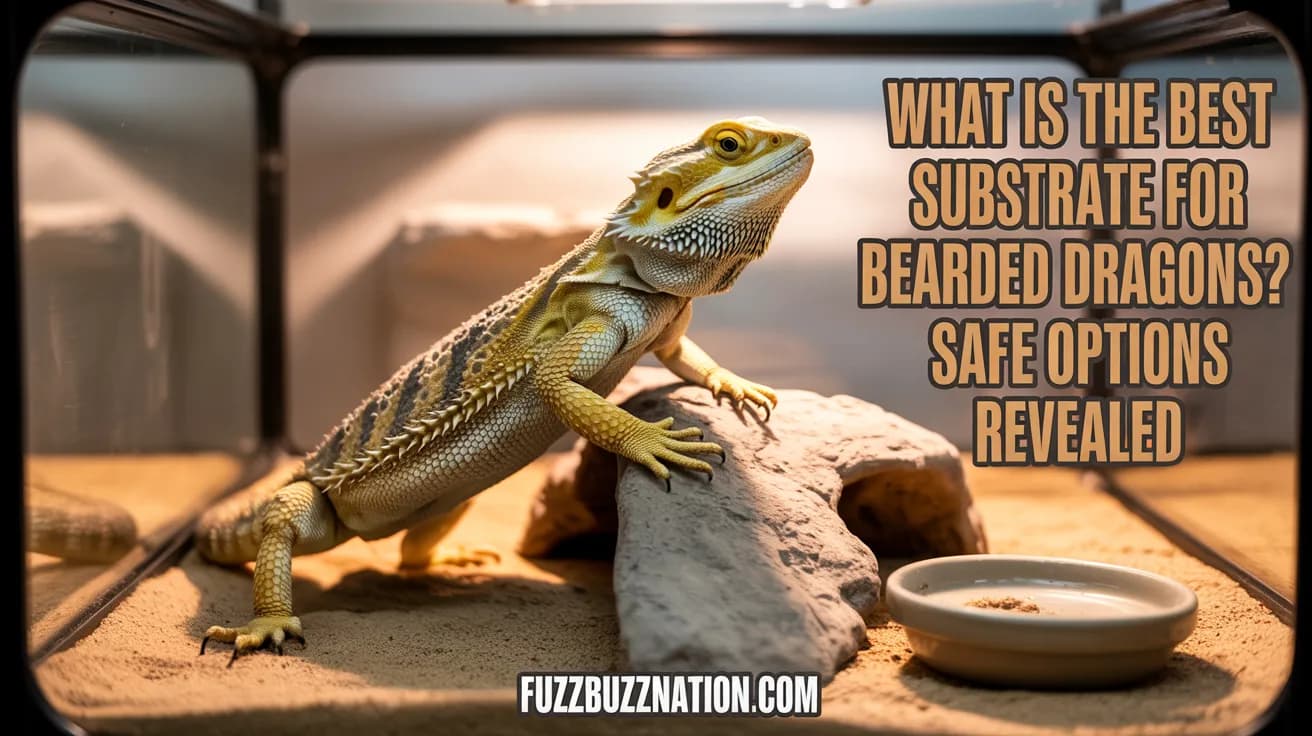
Best Substrate for Bearded Dragons: Safe Options Revealed
What is the best substrate for bearded dragons when some popular choices are killing pets through impaction and bacterial infections? After treating over 200 bearded dragons with substrate-related emergencies and performing surgery to remove compacted sand from intestines, I can tell you that choosing the wrong substrate is one of the deadliest mistakes new owners make.
Through my decade of reptile veterinary work and managing a specialized exotic clinic, I’ve learned that the best substrate for bearded dragons balances safety, hygiene, natural behavior, and practicality. While pet stores push sand and wood chips, the safest options are often the most boring looking but keep your dragon healthy and alive.
Understanding Substrate Requirements for Bearded Dragons
Safety Must Come First
The primary consideration when determining what is the best substrate for bearded dragons is preventing impaction, the leading cause of substrate-related deaths. Bearded dragons are opportunistic feeders who often ingest substrate while hunting insects or simply exploring their environment with their tongues.
Impaction occurs when indigestible material blocks the intestinal tract, requiring emergency surgery or resulting in death. I’ve removed everything from sand clumps to wood chips from bearded dragons’ intestines, with treatment costs ranging from $800-3,000. Prevention through proper substrate choice costs nothing compared to these emergencies.
Young bearded dragons face higher impaction risk due to their smaller digestive systems and tendency to eat everything in sight. Dragons under 12 months should never have loose substrates, regardless of marketing claims about “digestible” sand or natural behavior benefits.
Hygiene and Bacterial Control
Substrate must allow easy cleaning to prevent bacterial growth that causes infections and respiratory issues. Porous materials harbor bacteria even after cleaning, creating ongoing health risks. When considering what is the best substrate for bearded dragons, cleanability ranks as important as safety.
Bearded dragons defecate regularly, and substrates that can’t be spot-cleaned effectively become breeding grounds for harmful bacteria. I’ve treated numerous cases of respiratory infections and skin problems directly linked to dirty, bacteria-laden substrates that seemed clean to owners.
Odor control becomes crucial for indoor enclosures. Substrates that absorb and hold odors create unpleasant living conditions while indicating bacterial growth. The best options allow complete waste removal without leaving residual contamination.
Natural Behavior Considerations
While safety and hygiene take priority, the best substrate for bearded dragons should allow some natural behaviors like digging and burrowing. Adult dragons may benefit from designated digging areas using safe materials, but the entire enclosure doesn’t need diggable substrate.
Temperature regulation through substrate choice affects thermoregulation. Dark substrates absorb heat better than light ones, though this factor is secondary to safety considerations. Proper heating equipment matters more than substrate color for temperature management.
Comfort during rest periods influences stress levels and overall health. Hard substrates may cause pressure sores on dragons who spend long periods basking in one position, while overly soft materials may harbor bacteria or cause impaction if ingested.
Safest Substrate Options
Reptile Carpet: The Gold Standard
Reptile carpet remains the safest option when asking what is the best substrate for bearded dragons, especially for beginners or young dragons. This synthetic material prevents impaction completely, allows easy cleaning, and provides adequate traction for normal movement.
Quality reptile carpet features tight weaves that prevent toe catching while allowing drainage if spills occur. I recommend having two pieces to rotate during washing, ensuring continuous clean substrate availability. Machine washing with reptile-safe disinfectant maintains hygiene easily.
The main disadvantages include lack of digging opportunities and potential for bacterial growth if not cleaned promptly. However, these drawbacks pale compared to impaction surgery costs and risks. Most dragons adapt well to carpet substrates without behavioral issues.
Newspaper and Paper Towels
Newspaper provides the most economical and hygienic substrate option available. Daily replacement ensures perfect cleanliness, and waste removal requires simply disposing of soiled sections. When considering what is the best substrate for bearded dragons on a budget, newspaper wins every category except aesthetics.
Multiple layers create cushioning while maintaining safety. I recommend at least 3-4 sheets to provide adequate padding without creating hiding spots underneath where bacteria might grow. Ink from newspapers poses no toxicity risk to bearded dragons.
Paper towels offer similar benefits with better absorption for liquid waste. Some owners prefer the cleaner appearance of white paper towels over newsprint. Both options work excellently for quarantine situations or young dragons requiring maximum safety.
Tile Flooring Solutions
Ceramic or slate tiles create attractive, permanent substrate solutions when properly installed. Tiles provide excellent heat retention, easy cleaning, and zero impaction risk. Many experienced keepers consider tiles the best long-term substrate investment for adult dragons.
Proper tile installation requires smooth edges and secure fitting to prevent gaps where food or waste might accumulate. I recommend professional installation or careful DIY work using appropriate adhesives and grout safe for reptile environments.
Tile maintenance involves daily spot cleaning with reptile-safe disinfectants. The non-porous surface prevents bacterial penetration, making sterilization more effective than porous alternatives. Some dragons develop preference for specific tile temperatures, showing natural thermoregulation behaviors.
Dangerous Substrates to Avoid
Sand: The Silent Killer
Despite marketing claims, sand remains one of the most dangerous substrate options available. Calcium sand, “digestible” sand, and play sand all cause impaction when ingested. When people ask what is the best substrate for bearded dragons, sand should never be the answer, regardless of the dragon’s age or experience.
I’ve performed emergency surgery on numerous bearded dragons with sand impaction, including several who died despite treatment. The sand forms concrete-like masses in intestines that cannot pass naturally. Even small amounts accumulated over time create dangerous blockages.
Vitamin sand and mineral sand create additional problems beyond impaction. These products often contain excessive vitamins that cause toxicity when consumed regularly. The marketing suggesting dragons “need” sand for natural behavior ignores the massive health risks involved.
Wood Products and Their Hazards
Cedar and pine shavings contain aromatic oils toxic to reptiles, causing respiratory irritation and liver damage. These substrates should never be used for any reptile, despite availability in pet stores. The oils vaporize continuously, creating chronic exposure to harmful chemicals.
Aspen shavings, while less toxic than cedar or pine, still pose impaction risks when ingested. The fibrous material can tangle in intestines, requiring surgical removal. Some dragons develop compulsive behaviors around wood shavings, eating them regularly despite health consequences.
Bark chips and mulch products often contain additives, dyes, or preservatives harmful to reptiles. Even “natural” wood products may harbor mites, bacteria, or fungi that cause health problems. When considering what is the best substrate for bearded dragons, wood products fail safety requirements consistently.
Corn Cob and Walnut Shell Problems
Corn cob bedding swells dramatically when wet, creating severe impaction risk if ingested. This expansion occurs in the dragon’s digestive system, potentially causing intestinal rupture. The absorbent properties that make corn cob attractive for odor control become deadly when consumed.
Ground walnut shells have sharp edges that can damage intestinal walls during passage. Even if impaction doesn’t occur, the abrasive material causes internal injuries leading to infections. I’ve treated several dragons with intestinal damage from walnut shell substrates.
Both corn cob and walnut shells provide poor traction, causing stress and potential injury when dragons attempt normal movements. The irregular surface makes cleaning difficult, allowing bacterial growth in hidden crevices.
Setting Up Substrate Systems
Creating Safe Digging Areas
Adult bearded dragons may benefit from designated digging areas using safe materials within otherwise safe enclosures. A corner section with organic soil (no fertilizers or additives) allows natural digging behaviors without whole-enclosure risks.
Contain digging areas using barriers or separate containers that can be removed for cleaning. This approach satisfies natural instincts while maintaining overall safety. Monitor dragons during digging sessions and remove substrate if consumption occurs.
Some keepers use dig boxes filled with child-safe sand or organic topsoil for supervised digging sessions. These temporary setups allow natural behaviors while preventing long-term exposure risks. Always supervise and limit session duration.
Substrate Layering Techniques
When using solid substrates like tiles or reptile carpet, consider comfort layers for basking areas. Thin towels or fleece pieces create soft spots without impaction risks. These comfort areas should be washable and replaced regularly.
Avoid layering loose substrates over safe ones, as this defeats the safety purpose. Dragons will dig through surface layers to reach underlying materials, potentially ingesting everything in the process. Keep substrate systems simple and uniform.
Temperature gradients across substrate help thermoregulation. Different materials conduct heat differently, allowing dragons to select preferred temperatures. However, this consideration remains secondary to safety requirements in substrate selection.
Maintenance and Cleaning Protocols
Daily Maintenance Requirements
Determining what is the best substrate for bearded dragons includes considering daily care requirements. Spot cleaning should remove all waste immediately to prevent bacterial growth and odor development. Some substrates make this easier than others.
Solid substrates like tiles or reptile carpet allow immediate waste removal without disturbing the entire setup. Paper substrates can be replaced section by section as needed. Loose substrates require more extensive cleaning that often disturbs the dragon’s environment.
Monitor for signs of substrate ingestion during daily cleaning. Small amounts of substrate in feces might indicate beginning consumption behaviors requiring substrate change. Early intervention prevents serious impaction problems.
Deep Cleaning Schedules
Establish weekly deep cleaning routines appropriate for your substrate choice. Removable substrates like carpet or paper should be replaced or thoroughly washed weekly minimum. Permanent substrates like tiles need comprehensive disinfection.
Use reptile-safe disinfectants for all cleaning procedures. Bleach solutions (1:30 ratio) effectively kill bacteria when followed by thorough rinsing. Commercial reptile cleaners offer convenience but cost more than homemade solutions.
Document cleaning schedules to ensure consistency. Bacterial buildup occurs quickly in warm, humid environments. Missing cleaning cycles can lead to health problems faster than owners expect, particularly with absorbent substrates.
Special Considerations for Different Life Stages
Baby and Juvenile Dragons
Young dragons require the safest possible substrate choices due to their higher impaction risk and developing immune systems. Paper towels or reptile carpet provide optimal safety during this vulnerable period. When asking what is the best substrate for bearded dragons under 12 months, safety trumps all other considerations.
Growth rate monitoring becomes easier with solid substrates that allow accurate weight tracking. Loose substrates interfere with scale accuracy due to material clinging to dragons. Precise growth monitoring helps detect health problems early.
Feeding frequency in young dragons increases substrate exposure risk. Multiple daily feedings create more opportunities for accidental ingestion. Safe substrates eliminate this risk regardless of feeding schedules or dragon behavior.
Adult Dragons
Mature dragons may tolerate slightly more substrate variety, but safety remains paramount. Adult size reduces impaction risk somewhat but doesn’t eliminate it entirely. Conservative substrate choices remain wisest even for experienced dragons.
Breeding females need easily cleanable substrates due to increased waste production and potential nesting behaviors. Pregnant females may consume unusual materials, making safe substrate selection crucial during breeding seasons.
Senior dragons often benefit from softer substrate areas due to joint issues or reduced mobility. Washable fleece sections provide comfort without safety risks. Monitor elderly dragons more closely for substrate-related problems.
Frequently Asked Questions
Making the Right Choice
Determining what is the best substrate for bearded dragons requires prioritizing safety over aesthetics or perceived naturalness. The safest options may look boring compared to elaborate naturalistic setups, but they keep dragons alive and healthy without risking expensive emergencies.
Start with the safest substrate options and consider upgrades only after gaining experience with dragon care. Many successful keepers use simple substrates throughout their dragons’ lives without any behavioral or health problems.
Remember that substrate choice affects daily care requirements and long-term costs. Factor in cleaning time, replacement costs, and potential veterinary bills when making decisions. The cheapest, safest options often provide the best value over time while ensuring your dragon’s wellbeing.