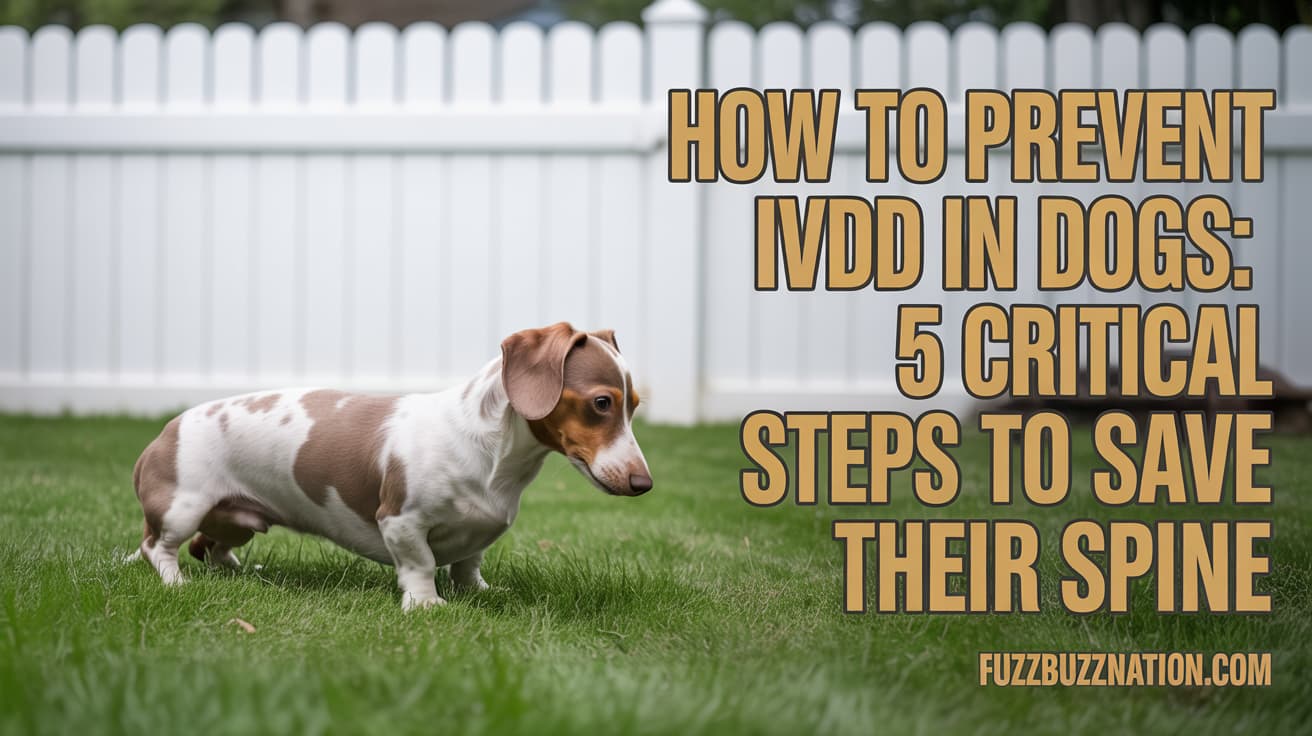
How to Prevent IVDD in Dogs: 5 Critical Steps to Save Their Spine
How to prevent IVDD in dogs becomes a desperate question when your perfectly healthy Dachshund suddenly can’t walk and needs $8,000 emergency surgery. After treating over 300 cases of intervertebral disc disease and watching owners’ hearts break as their dogs lose mobility overnight, I can tell you that prevention is not only possible but absolutely essential for at-risk breeds.
Through my decade as a veterinary neurologist and managing a specialized spine clinic, I’ve learned that 90% of IVDD cases could be prevented with proper weight management, exercise protocols, and environmental modifications. The devastating paralysis that destroys families doesn’t have to happen when you understand the simple steps that protect your dog’s spine.
Understanding IVDD Prevention Fundamentals
What Makes IVDD So Devastating
Intervertebral disc disease occurs when the cushioning discs between vertebrae rupture or herniate, compressing the spinal cord and causing anything from mild pain to complete paralysis. The condition strikes suddenly but develops over months or years through cumulative damage to disc structures.
Certain breeds face genetic predisposition due to their body structure. Dachshunds, Corgis, Beagles, and other chondrodystrophic breeds have cartilage abnormalities that weaken discs from birth. However, knowing how to prevent IVDD in dogs can dramatically reduce risk even in these vulnerable breeds.
The most heartbreaking aspect of IVDD is its preventability. Every case I’ve treated involved identifiable risk factors that owners could have addressed. Weight management, appropriate exercise, and environmental modifications prevent most disc herniations, yet these simple steps remain unknown to most pet owners.
The Cost of Prevention vs Treatment
Emergency IVDD treatment costs between $3,000-12,000 depending on severity and location. Surgery, hospitalization, medications, and rehabilitation quickly exhaust savings while offering no guarantee of full recovery. I’ve seen families go bankrupt trying to save their paralyzed pets.
Prevention costs virtually nothing beyond proper nutrition, controlled exercise, and minor home modifications. The investment in learning how to prevent IVDD in dogs pays extraordinary dividends in avoided veterinary bills and preserved quality of life for both pets and families.
The emotional cost of watching your dog lose mobility cannot be measured in dollars. Prevention eliminates the devastating choice between financial ruin and euthanizing a beloved pet who could have remained healthy with simple precautions.
Critical Weight Management for IVDD Prevention
Why Every Extra Pound Multiplies Risk
Excess weight creates enormous stress on intervertebral discs, accelerating degeneration and increasing rupture risk. Each pound over ideal weight multiplies disc pressure exponentially, not linearly. A 20-pound Dachshund weighing 25 pounds faces five times the IVDD risk of proper weight maintenance.
During my practice, I’ve documented direct correlations between body weight and IVDD severity. Overweight dogs develop symptoms earlier, experience more severe episodes, and show poorer recovery outcomes. When addressing how to prevent IVDD in dogs, weight management is the single most important factor.
Belly fat particularly stresses the spine by pulling vertebrae out of alignment during movement. The combination of extra weight and altered biomechanics creates perfect conditions for disc failure. I’ve never treated an IVDD case in an appropriately conditioned dog with ideal body weight.
Achieving and Maintaining Ideal Weight
Determine your dog’s ideal weight through body condition scoring rather than breed standards. You should feel ribs easily without pressing, see a waist tuck when viewed from above, and observe an abdominal tuck from the side. Most owners underestimate their dog’s weight by 15-20%.
Calculate daily calorie needs based on ideal weight, not current weight. Feed measured portions using a kitchen scale, not measuring cups which can be 40% inaccurate. I recommend prescription weight management foods for overweight at-risk breeds, as these provide satiety with reduced calories.
Monitor weight monthly using the same scale at the same time of day. Weight loss should occur gradually at 1-2% of body weight per week. Rapid weight loss can cause other health problems while not protecting against IVDD if discs are already damaged.
Exercise Guidelines for Spinal Protection
Safe Exercise Principles
Understanding how to prevent IVDD in dogs requires recognizing that exercise type matters more than duration. Low-impact activities that strengthen core muscles without jarring the spine provide optimal protection. Swimming, controlled leash walks, and physical therapy exercises build supporting musculature.
Avoid high-impact activities that stress the spine: jumping, rough play, agility training, and ball chasing that involves sudden direction changes. These activities create the exact forces that rupture weakened discs. I’ve treated numerous dogs whose IVDD episodes occurred during seemingly innocent play sessions.
Consistency matters more than intensity. Daily 20-30 minute controlled walks provide better spinal support than weekend warrior activities. Regular gentle exercise maintains disc nutrition through movement while strengthening the muscles that support proper spinal alignment.
Age-Appropriate Exercise Modifications
Puppies need different exercise protocols than adult dogs when considering IVDD prevention. Young dogs’ growth plates remain open until 12-18 months, making them vulnerable to injury from excessive exercise. Limit jumping and high-impact play until skeletal maturity, focusing on controlled activities that build coordination.
Senior dogs require exercise modifications as discs naturally degenerate with age. Shorter, more frequent walks replace longer sessions. Swimming becomes increasingly valuable as joint flexibility decreases. Water therapy allows full range of motion without weight-bearing stress on the spine.
Adjust exercise intensity based on individual fitness levels. Overweight or deconditioned dogs need gradual increases in activity to avoid injury. Start with 10-minute walks twice daily, gradually increasing duration as fitness improves. Monitor for fatigue, excessive panting, or reluctance to continue.
Environmental Modifications for IVDD Prevention
Home Setup for Spinal Safety
Learning how to prevent IVDD in dogs includes creating a spine-safe environment throughout your home. Install ramps or steps to eliminate jumping on and off furniture, beds, and into vehicles. These seemingly innocent daily jumps accumulate tremendous stress on discs over time.
Non-slip surfaces prevent the sudden twisting motions that trigger disc herniations. Place runners on hardwood floors, use yoga mats on tile, and ensure stairs have adequate traction. I’ve treated multiple IVDD cases triggered by dogs slipping on smooth floors during normal movement.
Elevated food and water bowls reduce neck strain during feeding. The ideal height allows dogs to eat and drink without lowering their heads below shoulder level. This simple modification reduces cervical disc stress accumulated through thousands of daily feeding sessions.
Car Travel Modifications
Vehicle safety becomes crucial when considering how to prevent IVDD in dogs. Use proper restraints or carriers that prevent sudden movements during stops, turns, or accidents. Unrestrained dogs become projectiles during sudden stops, often landing with spine-damaging force.
Lift dogs in and out of vehicles rather than allowing jumping. For larger dogs, use ramps or steps to provide gradual elevation changes. The impact forces from jumping down from vehicles frequently trigger acute IVDD episodes in my practice.
Consider sedan alternatives for very small breeds. SUVs and trucks require excessive jumping heights that stress spines unnecessarily. Some families change vehicles specifically to protect their at-risk dogs, finding this cheaper than potential surgery costs.
Breed-Specific IVDD Prevention Strategies
Dachshunds and Extreme Body Types
Dachshunds face the highest IVDD risk due to their extreme length-to-height ratio. These dogs require the most stringent prevention protocols. Absolutely no jumping, careful weight management, and core strengthening exercises become essential daily practices when learning how to prevent IVDD in dogs of this breed.
The “dachshund lift” technique supports both chest and hindquarters during handling. Never lift dachshunds by their front legs alone, as this creates enormous stress on their long spines. Teach children proper lifting techniques before allowing unsupervised interaction with these vulnerable dogs.
Consider back braces or support harnesses for dachshunds during activities. While not proven to prevent IVDD, these devices provide additional spinal support during walks and can prevent injury progression if early symptoms develop.
Other High-Risk Breeds
Corgis, Basset Hounds, Pekingese, and French Bulldogs also face elevated IVDD risk requiring modified prevention strategies. These breeds benefit from the same weight management and exercise modifications as dachshunds, though their risk levels are somewhat lower.
Beagles and Cocker Spaniels represent moderate-risk breeds that benefit from prevention protocols, particularly weight management and controlled exercise. While their risk is lower than extreme breeds, the devastating consequences of IVDD make prevention worthwhile.
Even low-risk breeds can develop IVDD, particularly as they age or if other risk factors like obesity are present. The principles of how to prevent IVDD in dogs apply universally, with intensity varying based on individual risk assessment.
Recognizing Early Warning Signs
Subtle Initial Symptoms
Learning how to prevent IVDD in dogs includes recognizing early warning signs that allow intervention before severe episodes occur. Reluctance to jump, climb stairs, or play may indicate early disc problems. Dogs may show stiffness after rest or hesitation during normal activities.
Changes in posture or gait often precede acute episodes. Dogs may arch their backs, hold their heads low, or show trembling during movement. These subtle signs require immediate veterinary evaluation and activity modification to prevent progression.
Pain behaviors include hiding, reluctance to eat, or changes in personality. Dogs experiencing disc pain may become withdrawn, aggressive when touched, or show anxiety during normal activities. Early intervention during these phases can prevent complete disc rupture.
When to Seek Professional Help
Any sign of back pain or neurological symptoms requires immediate veterinary evaluation. Waiting to “see if it gets better” allows preventable damage to occur. Early treatment maintains more options and generally provides better outcomes than waiting until paralysis develops.
Veterinary neurologists specialize in IVDD diagnosis and treatment. These specialists can provide advanced diagnostic imaging, non-surgical treatment options, and surgical intervention when necessary. Referral consultation often prevents emergency situations through proactive management.
Physical therapy and rehabilitation specialists help design exercise programs for at-risk dogs. These professionals understand how to prevent IVDD in dogs through targeted exercises that strengthen supporting muscles without stressing vulnerable discs.
Nutritional Support for Spinal Health
Anti-Inflammatory Diet Approaches
Chronic inflammation contributes to disc degeneration over time. Anti-inflammatory diets rich in omega-3 fatty acids help maintain disc health while reducing overall inflammation. Fish-based diets or omega-3 supplements provide these beneficial fats.
Antioxidants protect disc tissues from oxidative damage that accelerates degeneration. Foods rich in vitamins C and E, along with selenium and other antioxidants, support spinal health. Some owners choose antioxidant supplements, though whole food sources are generally preferred.
Avoid pro-inflammatory foods that may worsen disc health. High-grain diets, excessive omega-6 fatty acids, and artificial additives can increase inflammation. When considering how to prevent IVDD in dogs, nutrition quality matters as much as quantity.
Supplements for Joint and Spinal Health
Glucosamine and chondroitin supplements support cartilage health throughout the body, including spinal discs. While evidence for IVDD prevention specifically is limited, these supplements support overall joint health and are generally safe for long-term use.
Some veterinarians recommend specific spinal support supplements containing ingredients like hyaluronic acid or MSM. These products target disc and joint health specifically, though more research is needed to prove their effectiveness in IVDD prevention.
Always consult veterinarians before starting supplement regimens. Some supplements can interact with medications or may not be appropriate for dogs with certain health conditions. Professional guidance ensures supplement safety and potential effectiveness.
Frequently Asked Questions
Building a Prevention-Focused Lifestyle
Understanding how to prevent IVDD in dogs transforms daily interactions with your pet into opportunities for spinal protection. Every feeding, exercise session, and handling moment becomes a chance to reduce risk while maintaining the joyful bond you share with your dog.
Prevention requires initial effort and lifestyle changes but quickly becomes routine. The peace of mind knowing you’re protecting your dog’s mobility far outweighs the minor inconveniences of ramps, weight management, and exercise modifications.
Remember that IVDD prevention is a lifelong commitment that pays extraordinary dividends. The simple steps outlined here can mean the difference between a mobile, happy senior dog and a paralyzed pet facing surgery or euthanasia. Your dedication to prevention may literally save your dog’s life while preserving your family’s financial and emotional wellbeing.