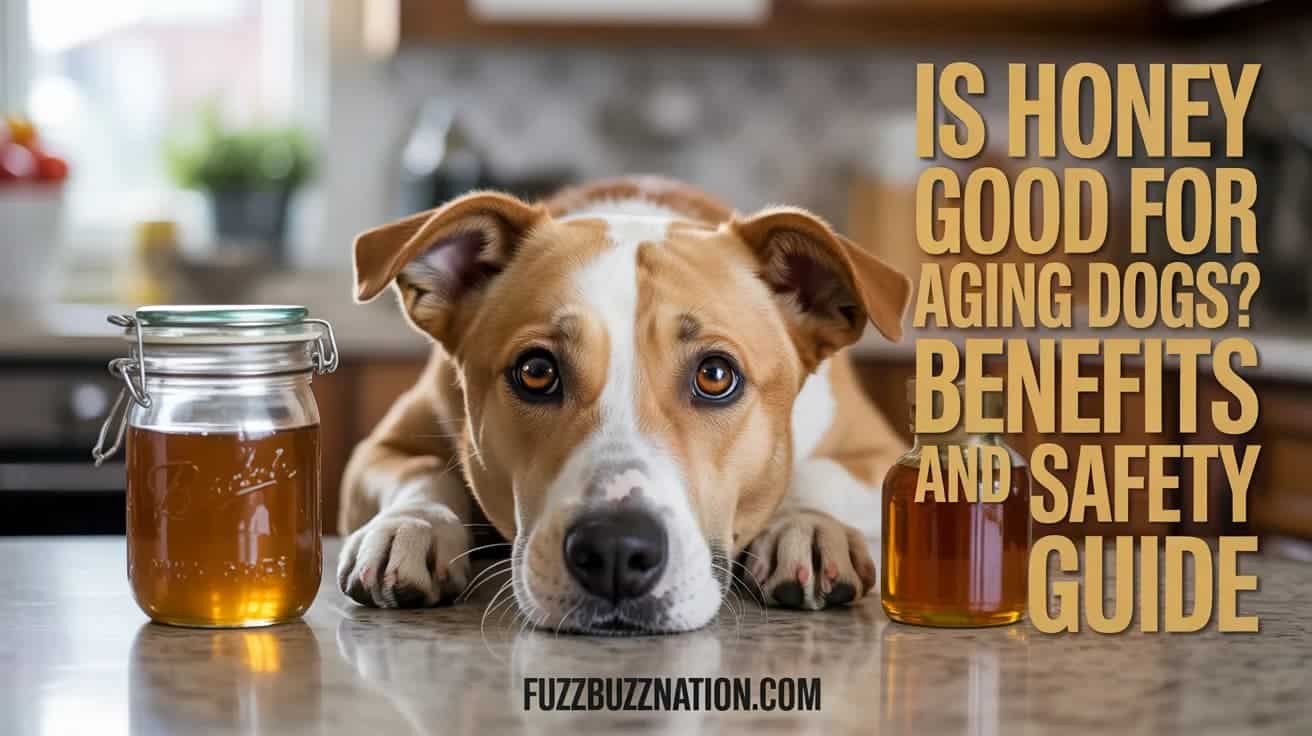
Is Honey Good for Aging Dogs? Benefits and Safety Guide
Is honey good for aging dogs when your senior pet is struggling with arthritis, digestive issues, and declining energy? After treating hundreds of geriatric dogs and researching natural supplements for over a decade, I can tell you that honey offers remarkable benefits for aging dogs when used correctly, but it also carries hidden risks that could worsen certain health conditions common in seniors.
Through my years as a geriatric veterinary specialist, I’ve learned that raw, unprocessed honey can provide significant support for aging dogs’ immune systems, joint health, and cognitive function, but the key lies in understanding proper dosing, quality selection, and which senior dogs should avoid honey entirely due to diabetes or other health complications.
Understanding Honey’s Nutritional Profile for Senior Dogs
What Makes Honey Special for Aging Dogs
Raw honey contains over 200 compounds including enzymes, antioxidants, amino acids, vitamins, and minerals that support various aspects of canine health. Unlike processed honey sold in grocery stores, raw honey retains beneficial enzymes like glucose oxidase that produce hydrogen peroxide, providing natural antimicrobial properties crucial for aging dogs with compromised immune systems.
The antioxidant content in honey varies dramatically based on floral source, with darker honeys like buckwheat containing significantly more antioxidants than lighter varieties. These antioxidants help combat oxidative stress that accelerates aging and contributes to chronic diseases common in senior dogs like cancer, heart disease, and cognitive decline.
When asking is honey good for aging dogs, consider that honey’s unique carbohydrate profile provides quick energy alongside slower-releasing complex sugars. This combination can help senior dogs with decreased appetite maintain energy levels while supporting digestive health through prebiotic compounds that feed beneficial gut bacteria.
Bioactive Compounds and Their Effects
Flavonoids in honey, particularly quercetin and kaempferol, demonstrate anti-inflammatory properties that may help aging dogs with arthritis and joint stiffness. These compounds work synergistically with other honey components to reduce inflammation throughout the body, potentially improving mobility and comfort in senior pets.
Phenolic acids found in honey support liver detoxification, increasingly important as dogs age and their ability to process toxins diminishes. The liver bears increased burden in senior dogs taking multiple medications, making honey’s hepatoprotective compounds particularly valuable.
Oligosaccharides in raw honey act as prebiotics, supporting beneficial bacteria growth in aging dogs’ digestive systems. Senior dogs often experience decreased digestive efficiency and altered gut microbiomes, making this prebiotic support especially beneficial for overall health and immune function.
Health Benefits of Honey for Senior Dogs
Immune System Support
Is honey good for aging dogs with weakened immunity? Absolutely. The antimicrobial properties of raw honey can help senior dogs fight minor infections and support overall immune function that naturally declines with age. The hydrogen peroxide produced by glucose oxidase in raw honey provides gentle, natural antimicrobial action without disrupting beneficial bacteria.
Propolis components sometimes present in raw honey offer additional immune support through their antiviral and antibacterial properties. These compounds may help aging dogs resist upper respiratory infections and other common ailments that become more frequent and severe as immune systems weaken.
Regular small amounts of honey may help stimulate immune responses in senior dogs, though this effect requires moderation. Excessive sugar intake can actually suppress immune function, making proper dosing critical for achieving benefits without negative consequences.
Joint Health and Mobility
The anti-inflammatory compounds in honey may provide modest relief for aging dogs with arthritis and joint stiffness. While not as potent as prescription anti-inflammatories, honey’s natural compounds offer a gentle supplementary approach to managing chronic inflammation.
Some studies suggest honey’s antioxidants help protect cartilage from oxidative damage that contributes to joint deterioration. This protective effect, while subtle, may help slow the progression of degenerative joint disease when combined with appropriate exercise and weight management.
The quick energy from honey can help less active senior dogs maintain mobility for daily activities. Improved energy levels may encourage more movement, creating a positive cycle of increased activity and better joint function.
Cognitive Function and Brain Health
Antioxidants in honey may help protect aging dogs’ brains from oxidative stress linked to cognitive decline and dementia-like symptoms. The neuroprotective effects of honey compounds like chrysin show promise in animal studies, though more research is needed specifically in dogs.
The glucose in honey provides readily available brain fuel, potentially supporting cognitive function in senior dogs showing signs of mental slowing or confusion. Brain cells require consistent glucose supply, and honey offers both immediate and sustained energy sources.
Some owners report improved alertness and engagement in senior dogs receiving small amounts of honey regularly. While anecdotal, these observations suggest potential cognitive benefits worth considering for aging pets showing signs of mental decline.
Proper Dosing and Administration
Safe Dosage Guidelines
When determining is honey good for aging dogs in your specific case, start with very small amounts to assess tolerance. I recommend beginning with 1/4 teaspoon per 20 pounds of body weight daily, divided into two doses given with meals to slow sugar absorption.
Monitor blood sugar responses in diabetic dogs or those at risk for diabetes. Even small amounts of honey can significantly affect glucose levels, requiring careful coordination with diabetes management protocols if applicable.
Maximum safe dosing should not exceed 1 teaspoon per 20 pounds of body weight daily, and even this amount may be excessive for some senior dogs. The goal is providing health benefits without creating metabolic stress or contributing to obesity.
Best Administration Methods
Mix honey into food rather than giving it directly to ensure slower absorption and reduce the risk of blood sugar spikes. This method also helps mask any medications that may have unpalatable flavors, improving compliance in senior dogs requiring multiple treatments.
Choose raw, local honey when possible for maximum enzyme and antioxidant content. Local honey may also provide mild allergy relief, though this benefit is more theoretical than proven in dogs. Avoid heated or ultra-filtered honey that lacks beneficial compounds.
Consider diluting honey in warm water to create a soothing drink for senior dogs with sore throats or upper respiratory issues. This preparation method makes the honey easier to administer while providing hydration benefits.
Risks and Contraindications
Diabetic Dogs and Blood Sugar Concerns
Is honey good for aging dogs with diabetes? Generally no. Honey contains high levels of simple sugars that can cause dangerous blood glucose spikes in diabetic dogs. Even small amounts may disrupt carefully managed insulin protocols, potentially leading to life-threatening complications.
Pre-diabetic dogs or those with insulin resistance should also avoid honey. Senior dogs are at increased risk for developing diabetes, making blood sugar management crucial even in non-diabetic pets. Weight monitoring becomes essential when introducing honey to any senior dog’s diet.
Some holistic practitioners argue that raw honey’s lower glycemic impact compared to processed sugars makes it acceptable for diabetic dogs, but this approach requires extremely careful veterinary supervision and frequent blood glucose monitoring.
Obesity and Weight Management
Senior dogs often struggle with weight management due to decreased activity and slower metabolism. Honey adds significant calories with little nutritional density compared to whole foods, potentially contributing to weight gain that worsens arthritis and other age-related conditions.
Each teaspoon of honey contains approximately 21 calories, which can represent 5-10% of a small senior dog’s daily caloric needs. These extra calories must be accounted for in the overall diet plan to prevent gradual weight gain over time.
Dogs with existing weight problems should avoid honey entirely unless the calories are carefully balanced against reduced food portions. The metabolic stress of obesity far outweighs any potential benefits honey might provide.
Allergic Reactions and Sensitivities
Some dogs develop allergic reactions to honey, particularly if they’re sensitive to pollens or bee products. Signs include facial swelling, excessive scratching, digestive upset, or respiratory symptoms requiring immediate veterinary attention.
Start with very small amounts to test tolerance before increasing to therapeutic doses. Senior dogs may have increased sensitivity to new foods due to age-related changes in immune system function and digestive capacity.
Local honey contains pollens that could trigger environmental allergies in sensitive dogs. While some believe this provides natural allergy desensitization, it can actually worsen symptoms in truly allergic animals.
Quality Selection and Safety
Choosing the Right Honey
Raw, unprocessed honey offers maximum benefits for aging dogs due to retained enzymes, antioxidants, and other bioactive compounds destroyed by heating and filtering. Look for honey that appears cloudy or crystallized, indicating minimal processing.
Local honey provides the freshest product with potentially higher antioxidant levels, though the proximity benefit is more relevant for humans with environmental allergies than for dogs. Focus on quality and processing methods rather than geographic origin.
Organic certification ensures the honey comes from areas with minimal pesticide exposure, important for senior dogs with compromised detoxification systems. However, organic certification doesn’t guarantee raw processing, so read labels carefully.
Storage and Handling
Store honey in cool, dark locations to preserve beneficial compounds that break down with heat and light exposure. Properly stored raw honey remains stable for years without refrigeration, though crystallization is normal and doesn’t indicate spoilage.
Never microwave or heat honey above 110°F, as this destroys the beneficial enzymes and antioxidants that provide health benefits. If honey crystallizes, place the container in warm water to reliquefy gently.
Keep honey containers tightly sealed to prevent moisture absorption that can promote fermentation. While fermented honey isn’t necessarily harmful, it changes the nutritional profile and may cause digestive upset in sensitive senior dogs.
Special Considerations for Senior Dogs
Age-Related Health Conditions
Senior dogs with kidney disease should use honey cautiously, as the kidneys must process the additional sugars and any impurities. Consult with veterinarians managing kidney disease before adding honey to the diet.
Dogs with liver disease may benefit from honey’s hepatoprotective compounds, but the liver must also process the sugars. This paradox requires professional guidance to determine if benefits outweigh risks in individual cases.
Cognitive dysfunction syndrome (canine dementia) may improve with honey’s brain-supporting compounds, but blood sugar stability becomes even more important as dogs age. Monitor for any changes in confusion or disorientation after introducing honey.
Medication Interactions
Is honey good for aging dogs taking multiple medications? It depends on the specific drugs involved. Honey may enhance the absorption of some medications while interfering with others, particularly those requiring specific timing or stomach pH levels.
Some antibiotics may have reduced effectiveness when given with honey due to the antimicrobial properties interfering with drug action. Space honey administration several hours away from antibiotic doses to prevent potential interactions.
Blood-thinning medications may be affected by honey’s vitamin K content and other compounds. Dogs on cardiac medications or anticoagulants need careful monitoring when introducing honey to their routine.
Alternatives and Complementary Approaches
Other Natural Sweeteners
Maple syrup offers some antioxidants but lacks honey’s antimicrobial properties and contains higher sugar concentrations. It may be appropriate for dogs who cannot tolerate honey but still need natural sweetening for medications.
Molasses provides iron and potassium beneficial for some senior dogs, but the high mineral content may be inappropriate for dogs with kidney disease. Use only unsulfured molasses in very small amounts.
Fresh fruits like blueberries or apple slices provide natural sweetness along with fiber, vitamins, and antioxidants without the concentrated sugar content of honey. These alternatives may be more appropriate for diabetic or overweight senior dogs.
Complementary Senior Dog Supplements
Omega-3 fatty acids provide more potent anti-inflammatory effects than honey for joint health and cognitive support. Fish oil or algae-based supplements offer targeted benefits without sugar-related risks.
Glucosamine and chondroitin provide specific joint support that honey cannot match. These supplements address cartilage health directly rather than providing general anti-inflammatory effects.
Probiotics offer targeted digestive support that may be more effective than honey’s prebiotic properties for senior dogs with specific gastrointestinal issues. Professional-grade probiotics ensure appropriate strain selection and potency.
Monitoring and Assessment
Signs of Benefit
Positive responses to honey in aging dogs typically include improved energy levels, better appetite, and enhanced coat quality. These changes usually become apparent within 2-3 weeks of consistent use at appropriate doses.
Reduced stiffness or improved mobility may indicate anti-inflammatory benefits, though these effects are subtle and may take several weeks to develop. Combine honey with appropriate exercise and weight management for maximum joint health benefits.
Better digestive function, including more regular bowel movements and reduced gas, may indicate successful prebiotic effects from honey’s oligosaccharides supporting beneficial gut bacteria growth.
Warning Signs to Watch
Increased thirst and urination could indicate blood sugar elevation, particularly concerning in pre-diabetic or diabetic dogs. These symptoms warrant immediate veterinary evaluation and likely honey discontinuation.
Digestive upset including diarrhea, vomiting, or excessive gas may indicate intolerance or excessive dosing. Reduce amount or discontinue honey while assessing underlying causes.
Weight gain or increased appetite beyond normal levels suggests excessive caloric intake from honey. Adjust portions or eliminate honey to prevent obesity-related health complications.
Frequently Asked Questions
How much honey can I safely give my senior dog daily? Start with 1/4 teaspoon per 20 pounds of body weight daily, gradually increasing to a maximum of 1 teaspoon per 20 pounds if well tolerated. Always account for these calories in the total daily diet to prevent weight gain.
Is honey good for aging dogs with diabetes? Generally no. Honey contains high levels of simple sugars that can cause dangerous blood glucose spikes in diabetic dogs. Consult your veterinarian before giving any sweetener to diabetic pets.
Can honey help with my senior dog’s arthritis pain? Honey’s anti-inflammatory compounds may provide mild relief, but effects are subtle and should supplement rather than replace proven arthritis treatments. Don’t expect dramatic pain relief from honey alone.
What’s the difference between raw and processed honey for dogs? Raw honey retains beneficial enzymes, antioxidants, and antimicrobial compounds destroyed by heating and filtering. Choose raw, unprocessed honey for maximum health benefits in senior dogs.
Are there any senior dogs who shouldn’t have honey? Yes. Dogs with diabetes, severe obesity, known bee product allergies, or certain medical conditions should avoid honey. Always consult your veterinarian before adding honey to any senior dog’s diet.
Making the Right Decision for Your Senior Dog
Is honey good for aging dogs? The answer depends entirely on your individual pet’s health status, weight, and specific needs. While honey offers genuine benefits for many senior dogs, it’s not appropriate for every aging pet and requires careful consideration of risks versus benefits.
Work with your veterinarian to determine if honey fits into your senior dog’s overall health plan. Consider factors like diabetes risk, weight status, current medications, and specific health goals when making this decision.
Remember that honey is a supplement, not a cure-all. The best approach to senior dog health combines appropriate veterinary care, quality nutrition, regular exercise, and careful use of beneficial supplements like honey when appropriate for individual circumstances.


